When's the best time to put up a new fence? That's a question I hear a lot, and for us right here in American Canyon, the answer isn't always as simple as "whenever you're ready." Our local climate, with its dry summers and wet winters, really dictates when it makes sense to schedule an installation and how you can protect your investment all year long.
Scheduling Your Fence Installation
You'd probably think summer would be the perfect time for any outdoor project, right? And mostly, you'd be correct. The ground is dry, the days stretch out, and we don't have to fight off rain. That's why late spring through early fall — let's say May to October — is usually our busiest season. Consistent dry weather means we can dig footings, pour concrete, and set posts without having to worry about mud or soggy soil messing up the foundation. A good, solid foundation is absolutely everything for a fence that needs to stand up to the elements for years.
But there's another side to that coin. Those hot American Canyon summers can be brutal on our crews, and sometimes the ground gets so hard and dry it's like trying to dig through concrete. This is especially true in some of the older, more established neighborhoods where the soil is really compacted. It can definitely slow things down a bit. If you're looking for a quicker turnaround and maybe a little more flexibility in scheduling, think about late fall or early spring. The ground is usually softer then, and temperatures are much more moderate. We're talking late October through November, or March through April, before the serious summer heat really hits.
What about winter? We can certainly install fences in winter, but you've got to be flexible. Rain delays are a very real thing. You really don't want us digging and pouring concrete in a downpour; it just won't set right, and it makes a huge mess of your yard. If you're okay with potential schedule shifts because of the weather, winter can sometimes mean a shorter wait time since it's our slower period. Who doesn't love a shorter wait?
Weather Conditions and Your Fence Project
Our weather here in American Canyon directly impacts the work we do. Here's what I mean:
- Rain: This is the big one. We can't pour concrete for post footings if it's actively raining or if the ground is completely waterlogged. It dilutes the concrete mix and weakens how it cures. We absolutely need dry conditions for a good, strong set.
- Wind: While not as critical as rain for installation, strong winds can make working with large fence panels tricky and, frankly, unsafe. We'll always put safety first, so if it's too gusty, we might have to pause or reschedule for a calmer day.
- Temperature: Extreme heat or cold can affect how long concrete takes to cure. In really hot weather, concrete can dry too fast, which leads to cracking. In very cold weather, it cures too slowly or can even freeze before it's set — that's a big problem. We do use specific techniques and additives to handle these conditions, but ideal temperatures (not too hot, not too cold) always give us the best results.
We're always keeping a close eye on the forecast to make sure we're doing the job right and safely for you and for our crew at Primetime Fencing Canyon.
Protecting Your Investment Year-Round
Once your new fence is up, you want it to last, right? Our climate here can be tough on fences if you don't take a few simple steps to care for them.
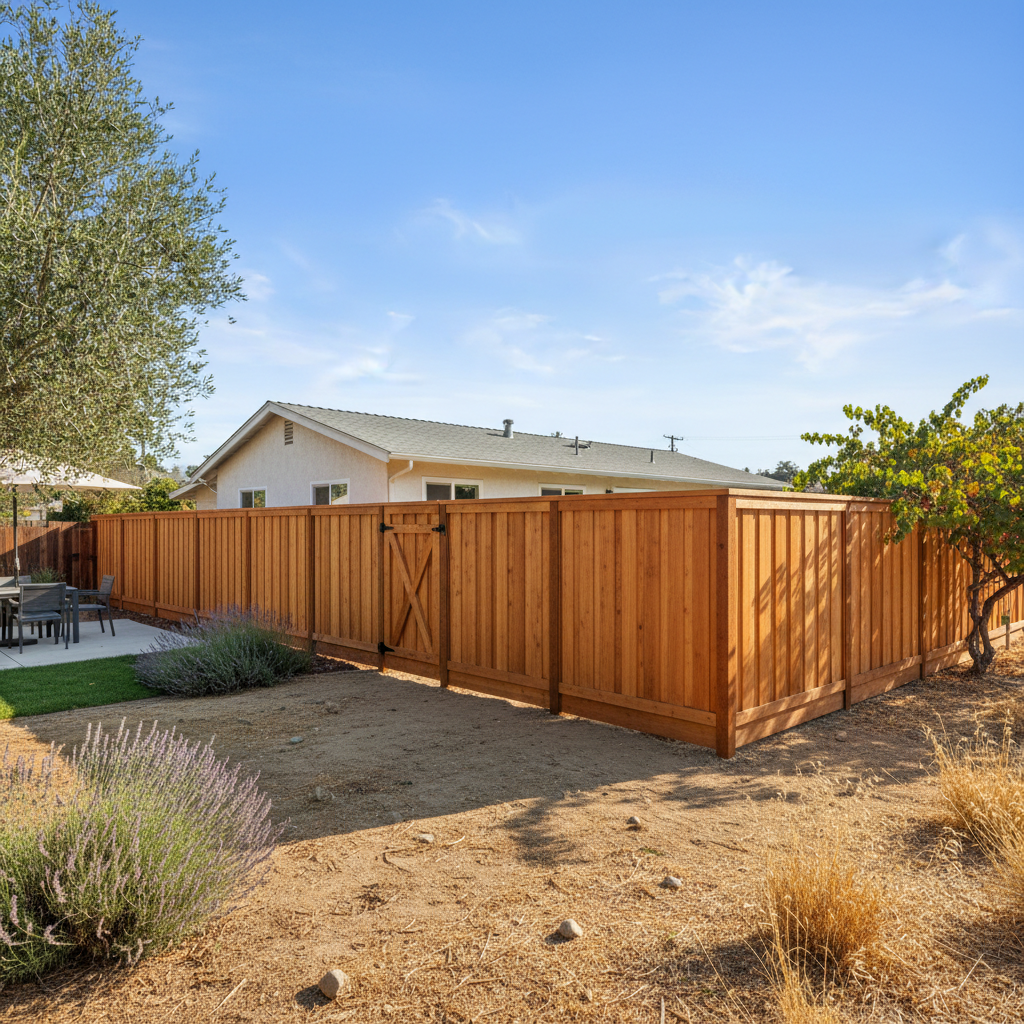
- Wood Fences: Those dry summers can really bake the moisture out of wood, leading to cracking and warping. Then the wet winters can bring rot and mildew. Your best defense is a good quality stain or sealant applied every few years. It protects against UV damage, stops too much moisture from soaking in, and helps keep insect infestations away. Also, keep an eye out for any loose boards or nails after heavy winds or rain.
- Metal Fences (like ornamental iron or aluminum): These are generally tougher, but they're not invincible. Check for rust spots on iron fences, especially after a wet winter. A little wire brushing and touch-up paint can make a huge difference. Aluminum fences are pretty much maintenance-free, but a quick rinse with a hose now and then keeps them looking sharp, especially if you're near a dusty area.
- Vinyl Fences: These are probably the lowest maintenance option for our climate. They don't rot, rust, or need painting. Just give them a wash with soap and water if they get dirty, particularly after a dusty summer or if your sprinklers are hitting them and leaving mineral deposits.
No matter what kind of fence you have, regularly clearing vegetation away from the base really helps. It keeps moisture from getting trapped against the posts and reduces hiding spots for pests. A little proactive care throughout the year will save you a lot of headaches and money down the line, trust me.
We're here to help you make the best decisions for your property and ensure your fence stands strong for years to come. Give us a call if you've got questions about timing or maintenance.