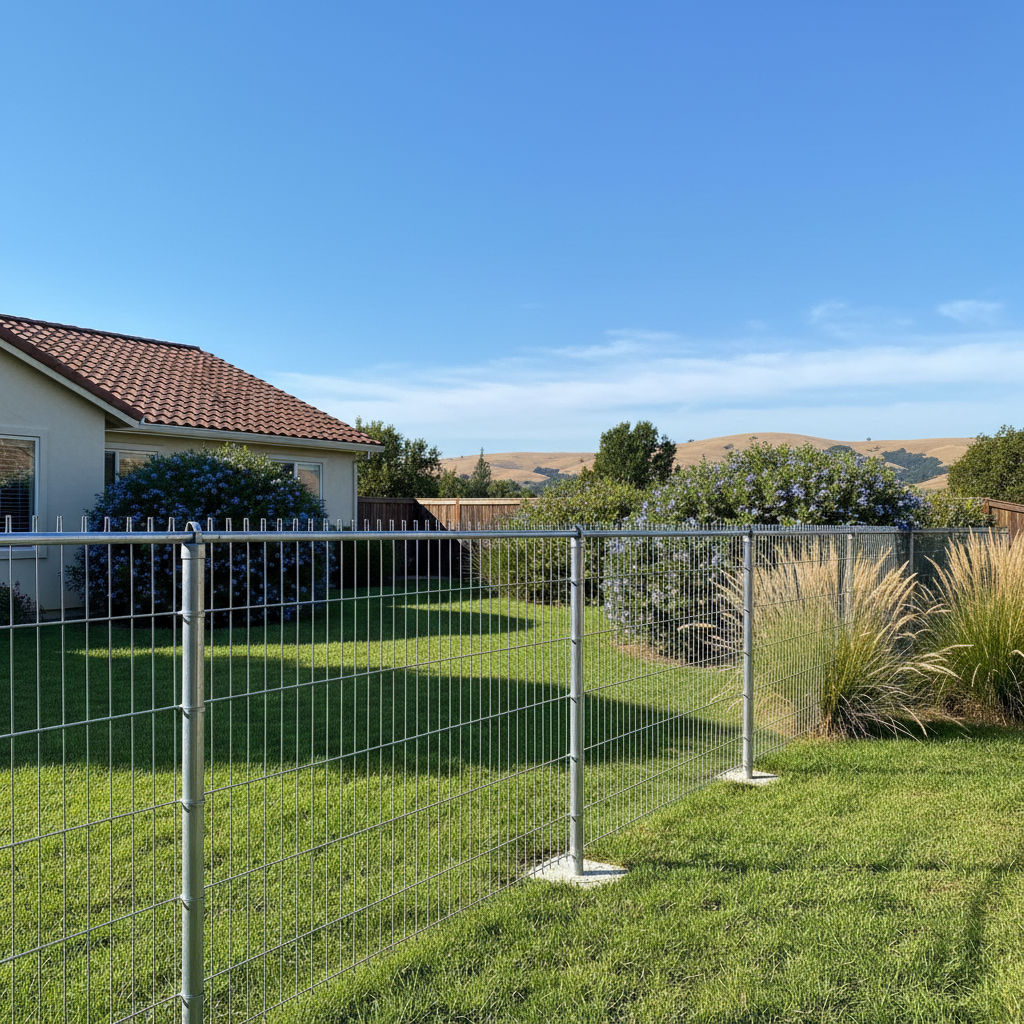
Alright, let's talk chain link fences. A lot of folks think once it's up, you're done. Just set it and forget it, right? Not exactly. While chain link is tough – probably the toughest, most low-maintenance fence you can get – it's not indestructible. A little bit of attention can seriously extend its life, keep it looking sharp, and save you from bigger headaches down the road. We've put up plenty of these around American Canyon, from backyard perimeters in the Napa Junction area to commercial properties, and I've seen firsthand what happens when they're ignored.
Making Your Chain Link Fence Last Longer
Honestly, the biggest thing you can do to extend your chain link fence's life starts with how it's installed. If it's done right – with good quality materials, galvanized steel, and proper tensioning – you're already way ahead. But after that, it's all about protecting it from the weather and everyday wear and tear.
First off, keep vegetation away. Vines, bushes, and trees growing into or against the fence can cause a lot of problems. They hold moisture against the metal, which can speed up rust, especially if the galvanization gets scratched. Plus, as they grow, they can actually warp or bend the fence fabric and posts. Just trim them back a few times a year. It's simple, but it makes a huge difference, believe me.
Another thing is protecting the coating. Most modern chain link is galvanized, meaning it's got a zinc coating that stops rust. Vinyl-coated chain link adds another layer of protection and looks better, too. If you see any deep scratches or chips in that coating, especially on vinyl-coated fences, it's worth touching it up. You can usually find spray paints or touch-up kits specifically for metal fences that match the color. It's like putting a band-aid on a cut – stops the infection before it starts.
What Regular Maintenance Actually Looks Like
Regular maintenance for a chain link fence isn't rocket science, and it won't take up your whole Saturday. I'd say check it over thoroughly twice a year, maybe once in the spring after the winter rains and again in the fall before things get too wet.
- Walk the line: Just walk along your fence line. Look for anything obvious. Are there any loose posts? Is the mesh sagging anywhere? Are the tension bands or ties still secure?
- Check for rust: Pay close attention to the bottom of the posts where they meet the ground, and any areas where the mesh might be rubbing against something. Rust is the enemy. If you spot surface rust, you can often wire brush it off, then prime and paint it with a rust-inhibiting paint.
- Gate hardware: Gates get a lot of action, so they're often the first thing to show wear. Check hinges, latches, and any wheels. Lubricate them with a silicone spray or WD-40 if they're squeaky or stiff. Make sure the gate still swings freely and latches securely.
- Clean it up: Sometimes, especially after a windy period or if you live near dusty roads, your fence can just get dirty. A good rinse with a garden hose is usually all it takes. For stubborn grime or mildew (which can happen in our damp American Canyon winters), a mild soap solution and a soft brush will do the trick. Just make sure to rinse it thoroughly afterward.
Warning Signs of Trouble
You don't need to be a fence expert to spot trouble. Here are some red flags that mean your fence needs more than just a quick once-over:
- Significant rust: Not just a little surface spot, but deep, flaky rust that's eating into the metal. This compromises the fence's integrity.
- Loose or leaning posts: If a post is wobbly or leaning, it's not doing its job. This often means the concrete footing has cracked or shifted, or the post itself is corroded at the base.
- Sagging mesh: If the chain link fabric is noticeably sagging between posts, it means the tension is gone. This can happen over time due to impacts or just general wear and tear on the tension bands and wires.
- Damaged top rail or bottom wire: These components are crucial for maintaining the fence's shape and tension. A bent top rail or a broken bottom tension wire can lead to the whole fence becoming unstable.
- Difficulty with gates: If your gate is constantly sticking, dragging on the ground, or won't latch properly, it's a sign something's out of alignment or the hardware is failing.
When to Call a Professional
Look, a lot of the basic stuff you can handle yourself. Trimming, cleaning, lubricating, even some minor rust treatment. But there are times when you really need to call in the pros. Trying to fix some of these bigger issues yourself can actually make things worse, or just be a huge waste of your time and money.
If you've got a seriously leaning post, or multiple posts, that's a job for us. Digging out old concrete and setting new posts correctly takes specialized tools and know-how to ensure they're plumb and secure. Same goes for significant sections of sagging or damaged mesh. Re-tensioning a whole fence or replacing large sections of fabric isn't a simple DIY task if you want it done right and looking good.
Any major damage from impacts, like a car backing into it (it happens more than you'd think!), or storm damage, definitely warrants a professional. We've got the equipment to straighten bent rails, replace sections, and make sure the repair blends seamlessly with the existing fence. Don't let a small problem turn into a big one. At Primetime Fencing Canyon, we're always happy to come out, take a look, and give you an honest assessment of what needs to be done. Sometimes it's a quick fix, sometimes it's more involved, but we'll always tell you straight.