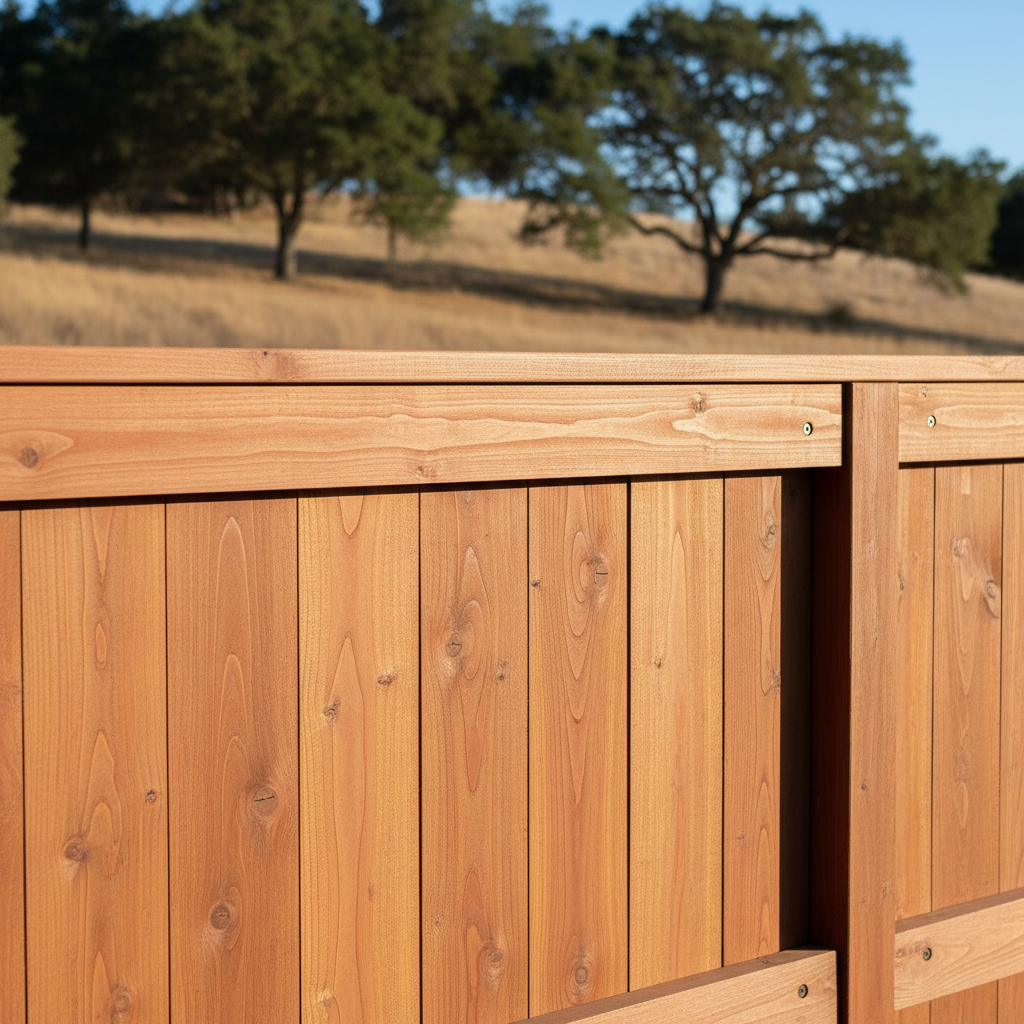
So, you're thinking about putting up a wood fence yourself, huh? I get it. There's a real satisfaction in building something with your own hands, and saving a buck never hurts. But let me tell you, a fence isn't just a few planks and posts. Especially here in American Canyon, with our varying soil conditions and occasional wind, you want to make sure it's done right. I've seen plenty of DIY projects go sideways, and trust me, fixing a leaning fence is more expensive than doing it right the first time.
Before You Even Buy a Post
This is where most folks mess up, or at least make things harder than they need to be. First, know your property lines. Don't guess. Pull out your survey or get one done. You don't want to build a fence on your neighbor's land, or worse, have them build one on yours. That's a headache you don't need.
Next, and this is huge: call 811 before you dig. Always. It's free, it's the law, and it prevents you from hitting underground utility lines – gas, water, electric, internet. Hitting one of those isn't just dangerous; it's a massive fine and a huge repair bill. Don't skip this step, ever.
Think about permits. For most residential fences under a certain height (usually 6 or 7 feet), you might not need one from the city of American Canyon. But always check with the planning department. Rules change, and it's better to be safe than sorry. You don't want to build a whole fence only to be told you have to tear it down.
Finally, material choice. Pressure-treated pine is common and affordable, but redwood or cedar will last longer and look better, especially if you're going for a more premium look. Consider the climate here; we get some hot, dry summers, and that can really dry out untreated wood fast. Factor in the cost of good stain or sealant too; it's not just for looks, it's for protection.
During the Build: DIY vs. Pro
Alright, you've got your plan, your materials, and you've called 811. Now for the actual work. Here's what you can realistically do yourself:
- Measuring and Marking: You can definitely lay out your fence line and mark where your posts will go. Use string lines and stakes to keep things straight.
- Digging Post Holes: If you're strong and patient, you can use a manual post-hole digger. For a long fence line, renting a gas-powered auger is a lifesaver. Just be careful; they can be tricky to handle.
- Mixing Concrete: Buying bags of ready-mix concrete and following the instructions isn't rocket science.
- Attaching Panels/Pickets: If you're using pre-built panels, screwing them to posts is pretty straightforward. If you're building picket by picket, it's more time-consuming but totally doable with a level and a nail gun or drill.
Now, here's when you might want to call someone like us at Primetime Fencing Canyon:
- Uneven Terrain: If your yard isn't flat, building a straight, level fence becomes much harder. You'll need to step the fence or cut boards to follow the grade, which takes experience to do well.
- Large Projects: A small section of fence? Go for it. A whole perimeter fence around a big yard? That's a lot of digging, lifting, and precise work. It's physically demanding and time-consuming.
- Complex Designs: Anything beyond a basic dog-ear picket fence – custom gates, decorative tops, intricate patterns – usually benefits from a pro's touch.
- Time Constraints: If you need the fence up fast, or you just don't have weeks to dedicate to a project, a professional crew can get it done efficiently.
- Perfect Alignment: Getting every post perfectly plumb and every panel perfectly level and straight takes a good eye and specialized tools. Pros have that down.
After the Fence is Up
You've done it! Or we've done it! Either way, the fence is standing. Now, don't just forget about it. Wood fences need some love to last. Within a few weeks or months, you'll want to apply a good quality stain or sealant. This protects the wood from our harsh sun, rain, and helps prevent rot and insect damage. Reapply it every few years, depending on the product and exposure.
Keep an eye out for loose boards, leaning posts, or gates that start to sag. Address these issues quickly before they become bigger problems. A little maintenance goes a long way in extending the life of your investment. And hey, if you ever run into a problem that's beyond your comfort level, you know who to call. We're always here to help American Canyon homeowners keep their fences looking great and standing strong.