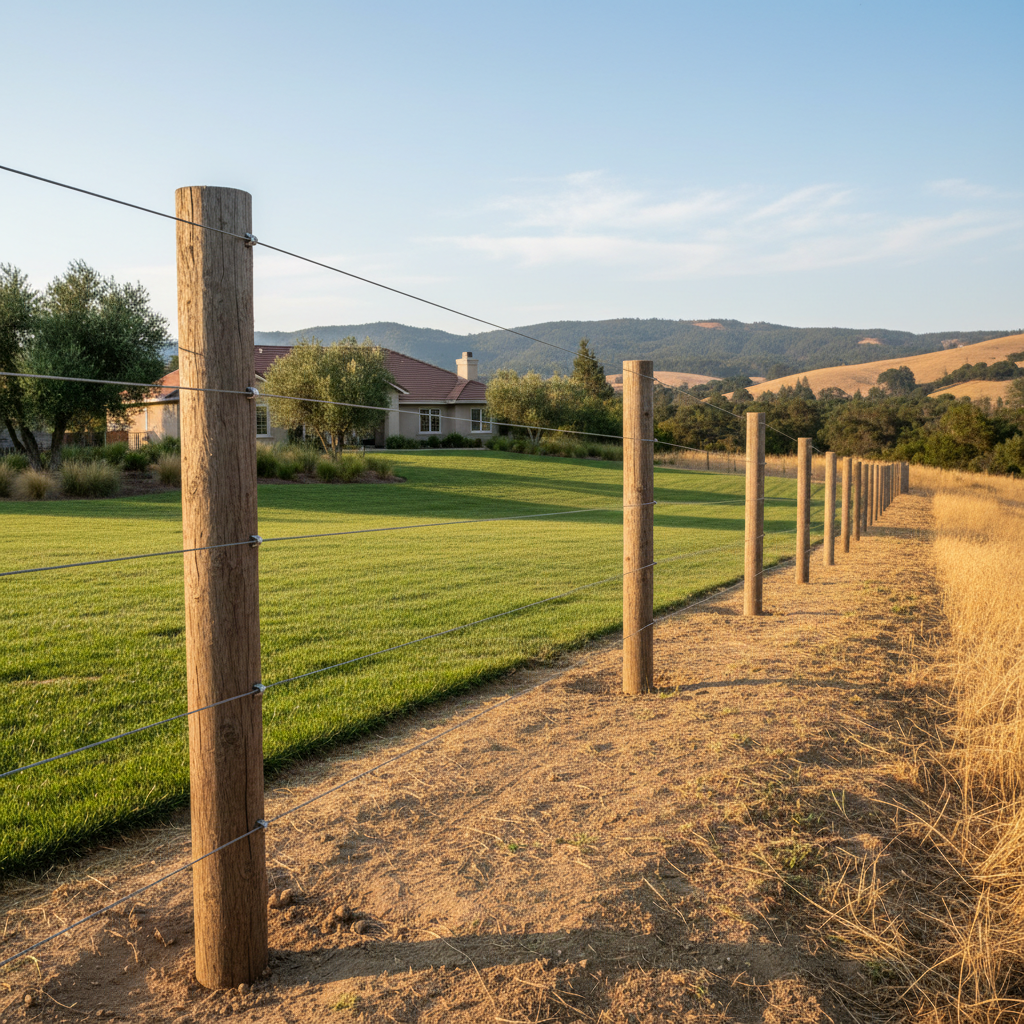
Alright, let's talk about farm fencing. I've seen a lot of these projects come and go here in American Canyon, and while most turn out great, homeowners definitely run into some recurring issues. If you're planning a farm fence, whether it's for livestock, marking property lines, or just getting that rustic look, you really need to watch out for these traps. Trust me, sidestepping these mistakes will save you a ton of grief down the road.
Mistake #1: Not Knowing Your Property Lines (I mean, *really* Knowing Them)
This is probably the biggest one out there. It's not just for farm fences, but it's especially critical when you're dealing with larger properties. A lot of folks just assume they know where their land ends. They'll point to an old fence line, maybe a row of trees, or even a ditch and say, “That's it.”
Here's the deal: assumptions are dangerous. You absolutely need a current survey. I’ve seen neighbors get into nasty disputes because one person put up a fence based on an old, inaccurate marker, only to find out it was three feet onto the other guy's land. Or worse, they build a whole new fence, and then the county comes knocking because it’s technically in an easement or right-of-way. Get a professional survey done. It's an upfront cost, sure, but it’s way cheaper than moving an entire fence or fighting a lawsuit. What a headache that would be!
Mistake #2: Underestimating Soil Conditions and Terrain
American Canyon has some pretty diverse terrain, right? You've got everything from relatively flat, open fields to rolling hills and spots with that heavy clay soil. People often look at a fence plan and think, “Oh, it's just posts in the ground.”
But if you're trying to put posts into hard, rocky soil without the right equipment, you're going to have a bad time. Or if you're on a slope, you need to think about drainage and erosion. You can't just run a straight line down a steep grade and expect it to hold up over time. We've seen fences wash out after heavy winter rains because the posts weren't deep enough or the design didn't account for runoff. A good contractor will check out your specific soil type and terrain. They'll recommend the right post depth, diameter, and even concrete mix. Don't skimp on this part; it's the foundation of your fence, after all.
Mistake #3: Picking the Wrong Materials for the Job
This goes beyond just picking wood or wire. It’s about matching the material to the actual purpose and the animals you're trying to contain (or keep out). I've had folks say, “I just need a simple wire fence for my horses.” Then they pick a lightweight, cheap gauge wire, and surprise, surprise, the horses lean on it, rub against it, and it sags or breaks in no time.
Or they'll use treated lumber that's not rated for ground contact in wet areas, and it rots out faster than they expect. Think about what you're fencing in: horses need smooth wire or sturdy wood to prevent injuries. Goats are escape artists; they need something tough, maybe even electrified. Cattle require heavy-duty posts and wire. Don't just pick the cheapest option, okay? Consider how long it will last, how much maintenance it'll need, and the safety aspect. It's an investment, so make it a smart one.
Mistake #4: Not Thinking About Gates and Access
A fence is only as good as its gates, and this is where a lot of people overlook things. They'll plan out hundreds of feet of fence, then realize they only put in one small gate, and now they can't get their tractor or hay delivery through.
Think about all the ways you'll need to get onto your property. Do you need a wide gate for vehicles? Smaller gates for foot traffic? How often will those gates be used? What kind of latches do you need for security or keeping animals in? A flimsy gate latch on a busy gate is going to break. A gate that sags because it wasn't properly braced or hung will be a constant headache. Plan your gate locations, sizes, and hardware carefully. It's not an afterthought; it's a key part of your fence system.
Mistake #5: Hiring the Cheapest Bid Without Asking the Right Questions
Look, I get it. Everyone wants to save money. But when it comes to something as important as a farm fence — something that needs to last and perform — going with the absolute lowest bid without doing your homework is a huge gamble. A cheap bid often means corners are being cut: thinner materials, less experienced labor, or a contractor who isn't properly insured.
When you're getting quotes, don't just look at the bottom line. Ask about their experience with farm fencing specifically. Ask for references. Check their licensing and insurance. Ask what kind of warranty they offer on their work. A good contractor, like us at Primetime Fencing Canyon, will be upfront about materials, labor, and their process. They'll explain why they recommend certain things and won't just give you a number without truly understanding your project. If a bid seems too good to be true, it probably is.
Building a farm fence is a big project. Avoid these common mistakes, and you'll end up with a fence that does its job well for years to come, without all the headaches.