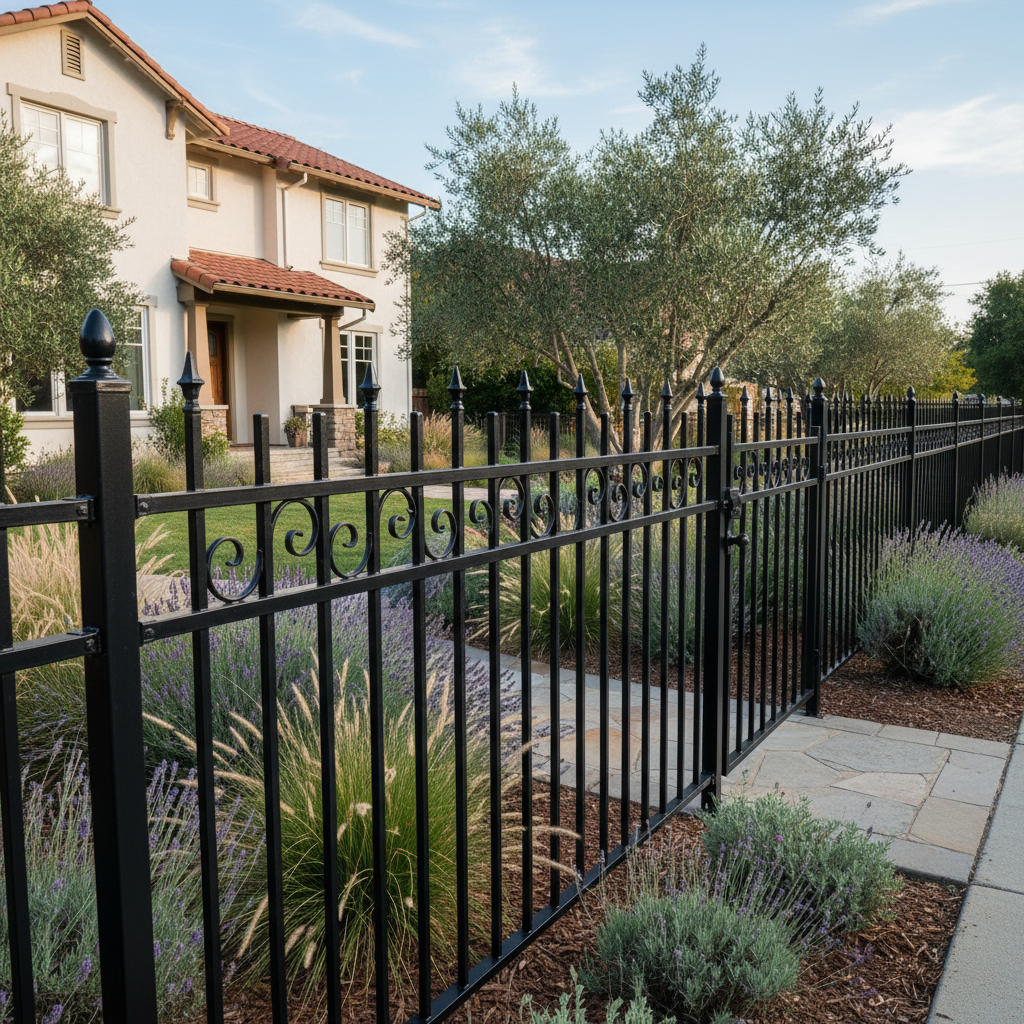
Ornamental iron fencing really adds a touch of class to any property, doesn't it? It's tough, secure, and looks fantastic. But just like anything else, it needs a little love to stay that way. You want that fence to last, right? Especially after you've put in the money for a quality install.
Extending Your Iron Fence's Lifespan
The biggest enemy of iron isn't usually impact; it's rust. That's the simple truth. When we install an ornamental iron fence, we make sure it's prepped and coated properly from the very beginning. But that coating isn't invincible. Over time, especially with our damp winter mornings and the occasional marine layer that rolls in from the bay, tiny scratches or chips can expose the bare metal. And that's when the trouble starts.
The best way to extend its life is to be proactive. Think of it like painting your house – you don't wait until the siding is falling off, do you? You hit those spots before they become big problems. Good quality iron, installed correctly, should last you decades, but you've got to do your part too.
What Regular Maintenance Looks Like
It's not rocket science, honestly. You're not going to be out there every weekend with a wire brush. Here's what I tell folks:
- Wash it down: Every few months, give your fence a good rinse with a hose. Just plain water is fine. This washes off dirt, dust, and any salt residue that might have blown in. You'd be surprised what just sitting on the surface can do over time.
- Inspect for chips and scratches: This is the most important part. Walk your fence line at least twice a year, maybe once in the spring and again in the fall. Look closely for any spots where the paint or powder coating has chipped off. Pay extra attention to the bottom rails, near the ground, and anywhere the fence might get bumped, like near a gate or a driveway.
- Touch-up those spots: If you find a chip, don't ignore it. Grab a small can of rust-inhibiting primer and a matching exterior-grade paint. Clean the area, lightly sand any surface rust if it's already started, prime it, and then paint it. A small artist's brush works great for this. You're basically sealing the metal back up.
- Check the hardware: Hinges, latches, and gate stops. They see a lot of action. Make sure they're moving freely and aren't getting seized up. A little lubricating spray (like a silicone spray, not WD-40 which can attract dirt) can go a long way here, especially on the gate hinges.
That's really it for the regular stuff. It's not a huge time commitment, but it makes a world of difference.
Warning Signs of Problems
You'll know when something's not right. Your fence will tell you. Here are the red flags:
- Obvious rust spots: Not just a tiny chip, but actual orange or brown streaks, especially if they're running down from a joint or a decorative element. That means water is getting in and sitting there.
- Flaking paint: If the paint or coating is bubbling up or flaking off in larger sections, that's a sign that moisture has gotten underneath it.
- Loose pickets or rails: Give your fence a gentle shake in a few spots. If anything feels wobbly, or if you see a picket that's not firmly attached, that's a structural issue that needs attention.
- Gate issues: A gate that sags, drags on the ground, or doesn't latch properly isn't just annoying, it's a security risk and puts undue stress on the hinges and posts.
- Cracks in welds: This is a more serious one. If you see any hairline cracks near where two pieces of iron are joined, that's a structural integrity problem.
Don't let these things go. A small rust spot can become a big one, and a loose picket can lead to a bigger repair down the line.
When to Call a Professional
Look, I'm all for homeowners doing what they can. But sometimes, you need a pro. Here's when you should pick up the phone:
- Extensive rust: If you've got rust all over the place, or if it's deep and pitted, you're probably beyond a simple touch-up. We have the tools and expertise to properly clean, treat, and re-coat large sections.
- Structural damage: Loose posts, bent rails, cracked welds – these need specialized welding and repair techniques. Trying to DIY a structural repair on iron can actually make it worse or compromise its strength.
- Gate alignment issues you can't fix: If you've tried adjusting your gate hinges and it's still dragging or not closing right, there might be a deeper issue with the post or the gate frame itself.
- You just don't have the time or tools: Life gets busy. If you know you're not going to get around to it, or you don't have the right stuff, it's better to call us than let the problem fester. We're Primetime Fencing Canyon; we do this stuff all day.
- Before you buy a new one: Sometimes people think their fence is a goner, but with some professional restoration, it can look brand new again for a fraction of the cost of replacement. It's worth getting an opinion.
Taking care of your ornamental iron fence isn't a huge chore, but it's a necessary one. A little bit of attention goes a long way in keeping it beautiful and strong for years to come here in American Canyon.