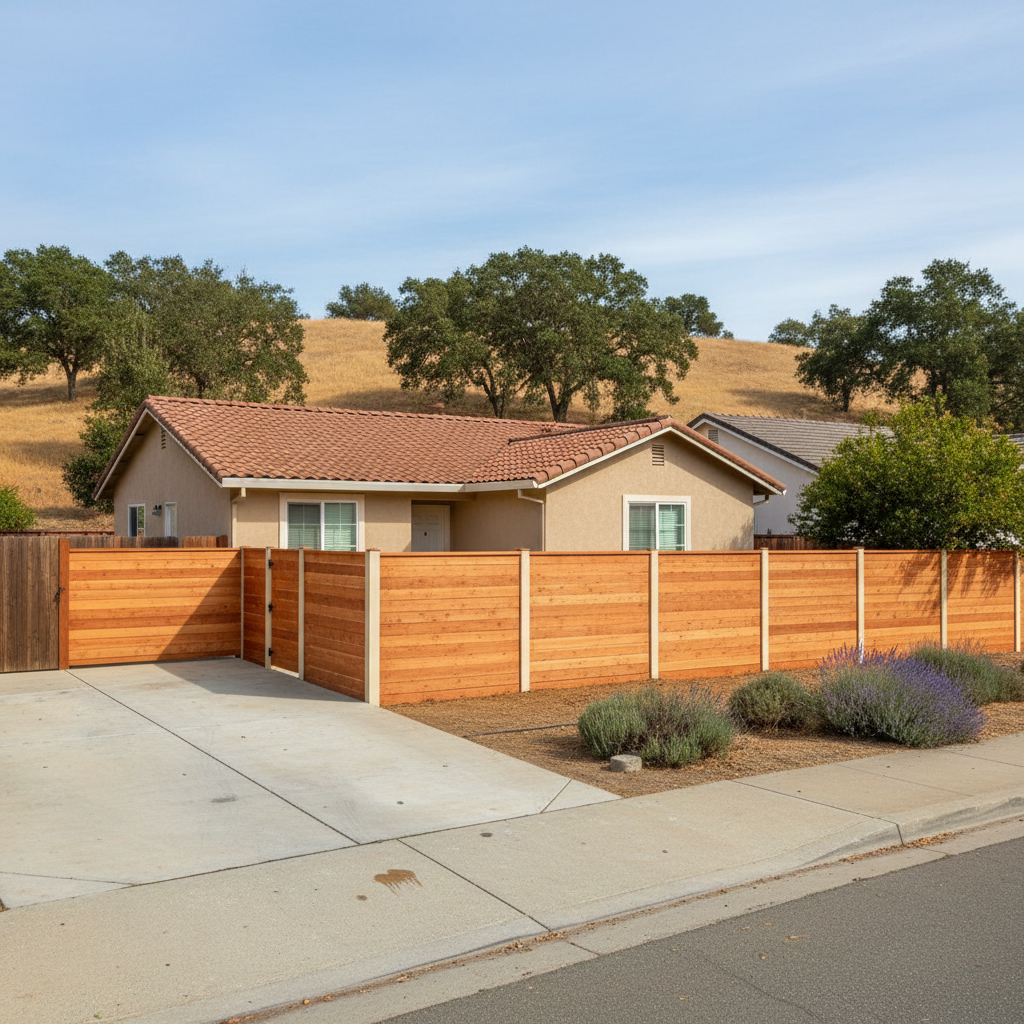
Got a fence? Maybe it's looking a bit tired. The sun's been beating down, the rain's had its say, and honestly, it's not quite the looker it once was. So, naturally, you're probably asking: should I stain it or paint it? It's a question we hear all the time, and for folks right here in American Canyon, the answer isn't always as simple as just picking a color.
Why Even Bother Staining or Painting?
Look, it's not just about making your fence pretty. Though, let's be honest, a good-looking fence definitely boosts curb appeal. The real reason you want to protect that wood is to make it last longer. Wood, especially here where we get those hot, dry summers followed by damp, foggy mornings, really takes a beating. Stains and paints act like a shield against UV rays, moisture, and even pests. Without that protection, your fence will warp, crack, and rot a lot faster than it should. What a waste!
Stain: That Natural Look, Built to Last
When I chat with homeowners, especially those in newer spots like Napa Junction or folks with more natural landscaping, stain is often the first thing that comes up. And there's a good reason for it. Stain actually soaks into the wood fibers, instead of just sitting on top like paint. This means it really lets the wood's natural grain shine through, which many people prefer. It gives that rustic, warm look that fits so well with our local vibe.
- Protection: Stains do a great job protecting against UV damage and moisture. They stop the wood from drying out and cracking in our summer heat.
- Maintenance: Generally, reapplying stain is easier. You typically don't have to scrape and sand as much as you would with paint. When it's time for a refresh, you can often just clean the fence and put on another coat.
- Durability: Good quality stains can last anywhere from 3 to 7 years, depending on the type (transparent, semi-transparent, solid) and how much sun your fence gets.
- Types: You've got transparent stains that just boost the natural color, semi-transparent ones that add a bit of tint but still show the grain, and solid stains that look more like paint but still let some texture peek through.
Paint: Bold Color and Maximum Protection
If you're after a complete change, or if your fence is older and has some imperfections you'd rather hide, paint might be the way to go. Paint forms a thick, protective layer right on the wood's surface. This gives you the strongest barrier against the elements.
- Appearance: Paint opens up a huge world of color options. You can match your house trim, go for a bold statement, or simply pick a classic white or gray. It creates a very uniform, finished look.
- Protection: Because it creates a solid film, paint offers top-notch protection against moisture and UV rays. It's fantastic for older fences that might have some minor surface damage.
- Maintenance: The downside is paint can chip, peel, and blister over time, especially with our temperature swings. When it's time to repaint, you'll likely need to do a good bit of scraping, sanding, and priming to get a smooth, lasting finish.
- Durability: A fence that's painted well can last 5-10 years, but that prep work is absolutely crucial for it to last.
Local Factors Matter: Why American Canyon is Different
Here in American Canyon, we face some pretty unique conditions that really play into your choice. Our hot, dry summers can bake a fence, making wood expand and contract. Then we get those cool, damp mornings, sometimes with fog rolling in from the bay, which brings in moisture. This constant cycle is incredibly tough on wood. For example, fences along the wetlands or areas closer to the Napa River tend to deal with more humidity, which can affect how long a finish holds up.
Also, think about the kind of wood your fence is made of. Most fences we put up at Primetime Fencing Canyon are redwood or pressure-treated pine. Redwood takes stain beautifully and naturally resists rot, so a good stain can really make it pop. Pine, especially pressure-treated, can be stained or painted, but you need to make sure it's properly dried out before putting anything on it.
My Recommendation? It Depends.
Honestly, there's no single right answer. If you love the natural look of wood, want easier maintenance later on, and your fence is in good shape, a quality stain is probably your best bet. If you want a specific color, maximum protection, or need to cover up some older imperfections, paint is a solid choice—just be ready for more intensive prep when it's time for a refresh.
Whatever you decide, the most important thing is doing the prep work right. Clean the fence thoroughly, make sure it's dry, and use quality products. A little effort upfront saves a lot of headaches later, believe me. If you're unsure, or if your fence is looking particularly rough, don't hesitate to give us a call at Primetime Fencing Canyon. We've seen it all and can help you figure out the best approach for your specific fence and your home.