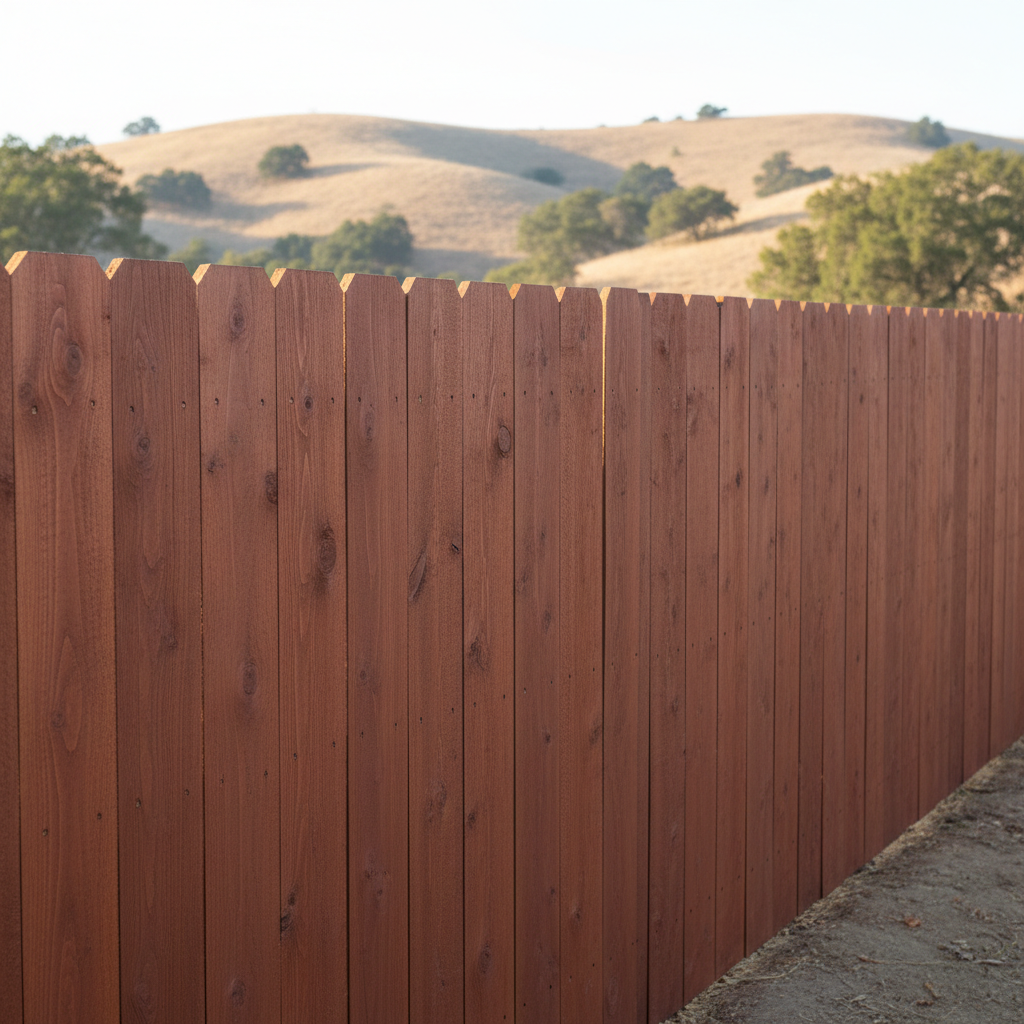
Alright, let's talk about sprucing up that fence. Whether you've got an old one that's seen better days or a new install you want to protect, staining or painting it is a smart move. But it's not just slapping some color on wood. There's a right way to do it, and a wrong way that'll have you redoing it in a year or two. I've seen it all around American Canyon, from stunning transformations to peeling nightmares.
Before You Even Think About Brushes
First things first: what kind of fence do you have? And what's its current condition? If it's a brand new, untreated wood fence, you're in a good spot. You'll want to let it weather for a few weeks, maybe a month or two, just to open up the wood grain. This helps it absorb the stain or paint better. If you try to do it too soon, it just won't soak in right, and you'll get uneven coverage.
Now, if it's an older fence, you've got some work ahead of you. You need to clean it, and I mean really clean it. Get rid of all the dirt, grime, mildew, and any loose, peeling old paint or stain. A power washer is your best friend here, but be careful not to gouge the wood. Use a wide fan tip and keep it moving. For stubborn spots, a good scrub brush and some deck cleaner (the kind that's safe for wood) will do the trick. Let it dry completely – and I mean bone dry – for at least 24-48 hours, maybe even longer if we've had a damp spell. You don't want to trap moisture under your new finish, do you?
Got any loose boards, nails sticking out, or rotten sections? Fix those first. Staining or painting over problems just hides them for a little while; it doesn't make them go away. If a post is wobbly, or a panel is falling apart, address it. Sometimes, you might need a pro for bigger repairs, but smaller stuff like replacing a few pickets or hammering in some nails is definitely DIY territory.
Stain or Paint? That's the Question
This isn't just about color; it's about protection and maintenance down the road. Stains penetrate the wood. They come in transparent, semi-transparent, and solid varieties. Transparent and semi-transparent stains let the wood grain show through, which looks really natural and beautiful, especially on cedar or redwood. Solid stains give you more color, but still let some texture show. Stains generally wear away over time, so you usually just clean and reapply when it's time.
Paint, on the other hand, forms a film on top of the wood. It gives you a solid, opaque color and can hide a lot of imperfections. It also offers excellent protection against UV rays and moisture. The downside? When paint fails, it usually peels and chips, which means a lot more prep work (scraping, sanding) before you can repaint. For a fence, especially one exposed to our American Canyon sun and occasional fog, I usually lean towards a good quality solid stain. It's less hassle in the long run.
Whatever you choose, get a good quality product. Don't cheap out here. A premium stain or paint will last longer, look better, and save you time and money in the long run. Read the labels for application instructions and drying times. They're there for a reason.
Getting Down to Business: Application
Once your fence is clean, dry, and repaired, you're ready to go. Pick a day when it's not too hot, not too cold, and definitely no rain in the forecast. Overcast days are often perfect because the sun won't dry the product too fast, leading to lap marks.
You can use brushes, rollers, or a sprayer. For most fences, especially those with lots of pickets, a sprayer is the fastest way to go. Just make sure to mask off anything you don't want stained or painted – your house, plants, the neighbor's prize-winning roses. Overspray travels further than you think, especially on a breezy day. If you're using a sprayer, you'll still want a brush for back-brushing to ensure good penetration and even coverage, especially on rough-sawn lumber common in our older neighborhoods like Vintage Ranch.
Apply thin, even coats. Two thin coats are always better than one thick one. A thick coat can bubble, peel, or just not dry properly. Follow the manufacturer's recoat times. Don't rush it.
When to Call Primetime Fencing Canyon
Look, a lot of this is doable for the average homeowner. Cleaning, minor repairs, and even applying stain or paint can be a satisfying weekend project. But there are times when it makes sense to bring in the pros.
- Huge Fence: If you've got hundreds of feet of fence, especially on a sloped property, that's a massive undertaking. Your back will thank you for calling us.
- Major Repairs: If posts are rotted out, large sections are falling down, or you're just not comfortable with structural work, that's definitely a job for a fence contractor.
- Time is Money: If you'd rather spend your weekends doing anything else, or you just don't have the time, we can get it done efficiently and correctly.
- Complex Designs: Fences with intricate lattice work or decorative elements can be a pain to do by hand.
We've got the equipment, the experience, and the know-how to get your fence looking great and protected for years to come. Whether you tackle it yourself or call us, taking care of your fence is an investment in your home's curb appeal and longevity. Don't neglect it!